The museum in our photograph is Cup Noodles Museum Yokohama, in the Minato Mirai waterfront area. If you have been calling it the ramen museum, check the name before buying tickets. Shin-Yokohama Ramen Museum is a separate attraction with a different location and ticket system. This guide covers the instant-noodle museum we visited.
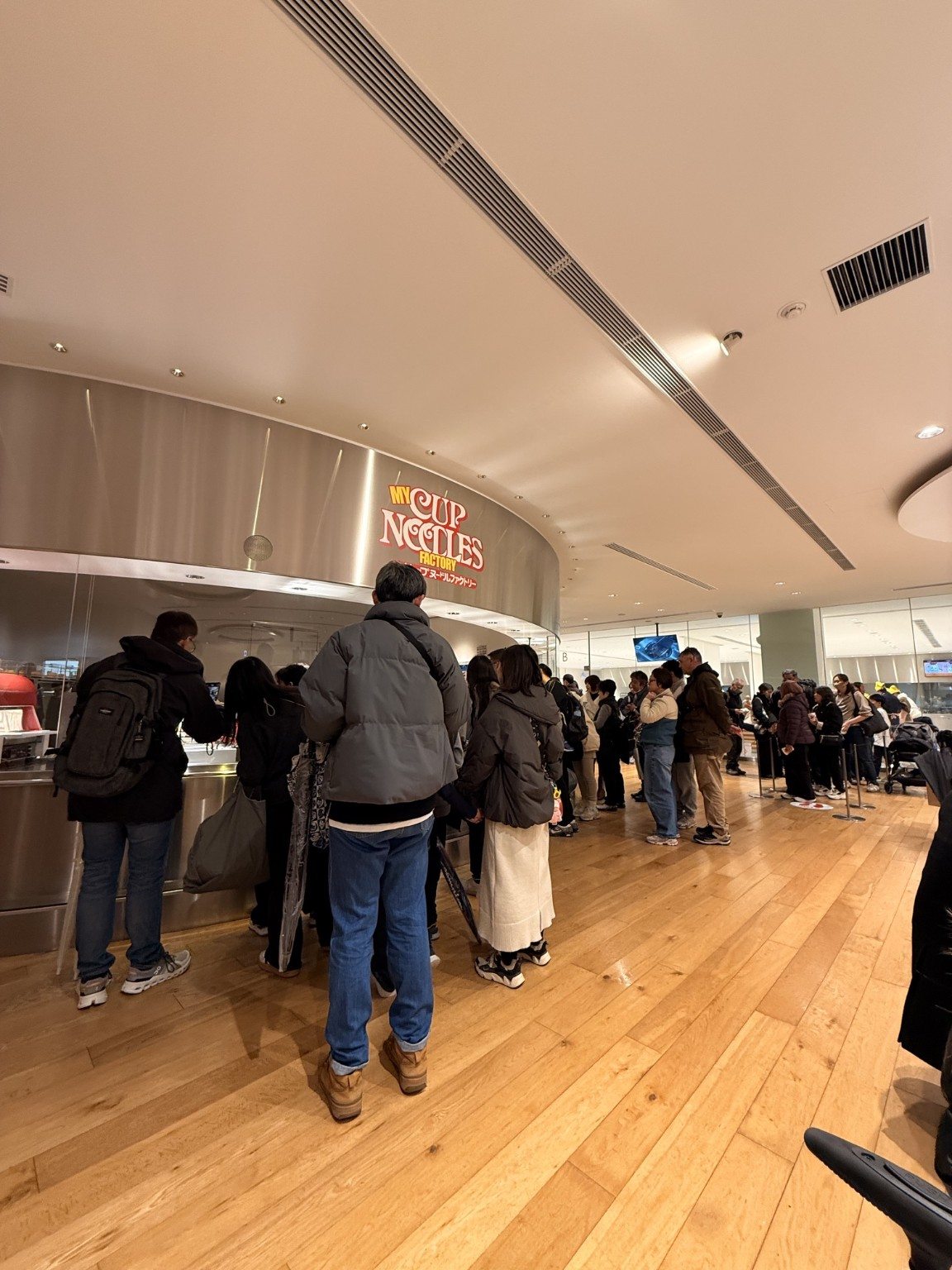
Our photograph shows the My CUPNOODLES Factory activity area. For a return visit, I would sort out the activity arrangements before making the rest of the Yokohama day too rigid. Getting into the building and getting the activity time you want are separate matters.
What you go there for
The museum tells the story of instant noodles and Momofuku Ando, alongside hands-on activities. The Instant Noodles History Cube and the recreated work shed give you something to explore beyond the cup-making area. I would leave time for those instead of treating the whole building as a queue for one souvenir.
The two factory names are worth learning before you book. My CUPNOODLES Factory is the custom-cup experience. Chicken Ramen Factory is a longer noodle-making workshop. They have different arrangements, and paying for one does not mean you have automatically booked the other.
At the custom-cup activity, you decorate the cup and choose from the available soup and topping options. Staff handle parts of the packing process. Check the current ingredient choices on the day. I would not promise a child one exact topping based on an older photograph.
Current prices to plan with
These are the museum's published tax-inclusive prices checked in October 2026. They are planning references, not a receipt from our visit.
| Item | Published price |
|---|---|
| Adult museum admission | ¥500 |
| High-school-age visitors and younger | Free museum admission |
| My CUPNOODLES Factory | ¥500 per cup, in addition to admission where applicable |
| Chicken Ramen Factory, junior high school age and older | ¥1,200 per participant |
| Chicken Ramen Factory, elementary school age | ¥600 per participant |
| NOODLES BAZAAR half-size noodle serving | ¥500 |
For two adults and a child making one cup each, museum admission and three custom cups would come to ¥2,500, assuming the child falls within the free-entry category. Food and any other activity are extra. Two adult admissions with three half-size noodle servings would add up to another ¥1,500 for the food, bringing that example to ¥4,000 before drinks or shopping.
Do not use the free museum-entry rule to assume every activity is free for children. Workshop eligibility is separate too. Check the official admission and activity prices when you book, especially if you have found an older guide quoting ¥1,000 for the older workshop category.
Buying the right ticket
Start from the official museum website and follow its ticket link. Look carefully at what the product includes, including whether there is a My CUPNOODLES Factory voucher and what time applies. A museum admission is not a blanket reservation for every experience inside.
For a same-day visit, check the custom-cup numbered-ticket arrangements as soon as you arrive. The museum warns that activity tickets can run out early during busy periods. I would not browse the entire exhibition first and only then find out whether the activity we wanted was available.
The Chicken Ramen Factory workshop needs its own reservation and has age and supervision requirements. It is not a substitute queue you can assume will be available if the custom-cup slots have gone. If the workshop is important to your family, read its booking page before choosing the day.
Best time to visit, and when it gets busy
My first choice would be a non-holiday weekday at opening, with the activity arranged in advance where possible. That is a planning recommendation, not a measured claim that one particular hour always has the shortest queue. An early arrival gives you more of the day to work with if the available activity time is later than you hoped.
I would expect weekends, Japanese public holidays and school-holiday periods to put more pressure on activity availability. Golden Week, the summer break and the year-end travel period deserve particular checking. The museum's own busy-period notices are more useful than a promise from an old blog that you can always walk in after lunch.
The usual published hours are 10 am to 6 pm, with last museum admission at 5 pm. Tuesdays are normally closed; when Tuesday is a public holiday, the following day is usually the closure instead. There are year-end closures too. Use the actual date calendar, because a late arrival can leave much less time for activities than the building's closing time suggests.
Food and the rest of the day
NOODLES BAZAAR offers smaller noodle servings, so it can work for trying a few choices rather than committing to one large bowl. Check the day's menu and ingredients. I would make the food decision around the activity time rather than miss a slot because lunch took longer than expected.
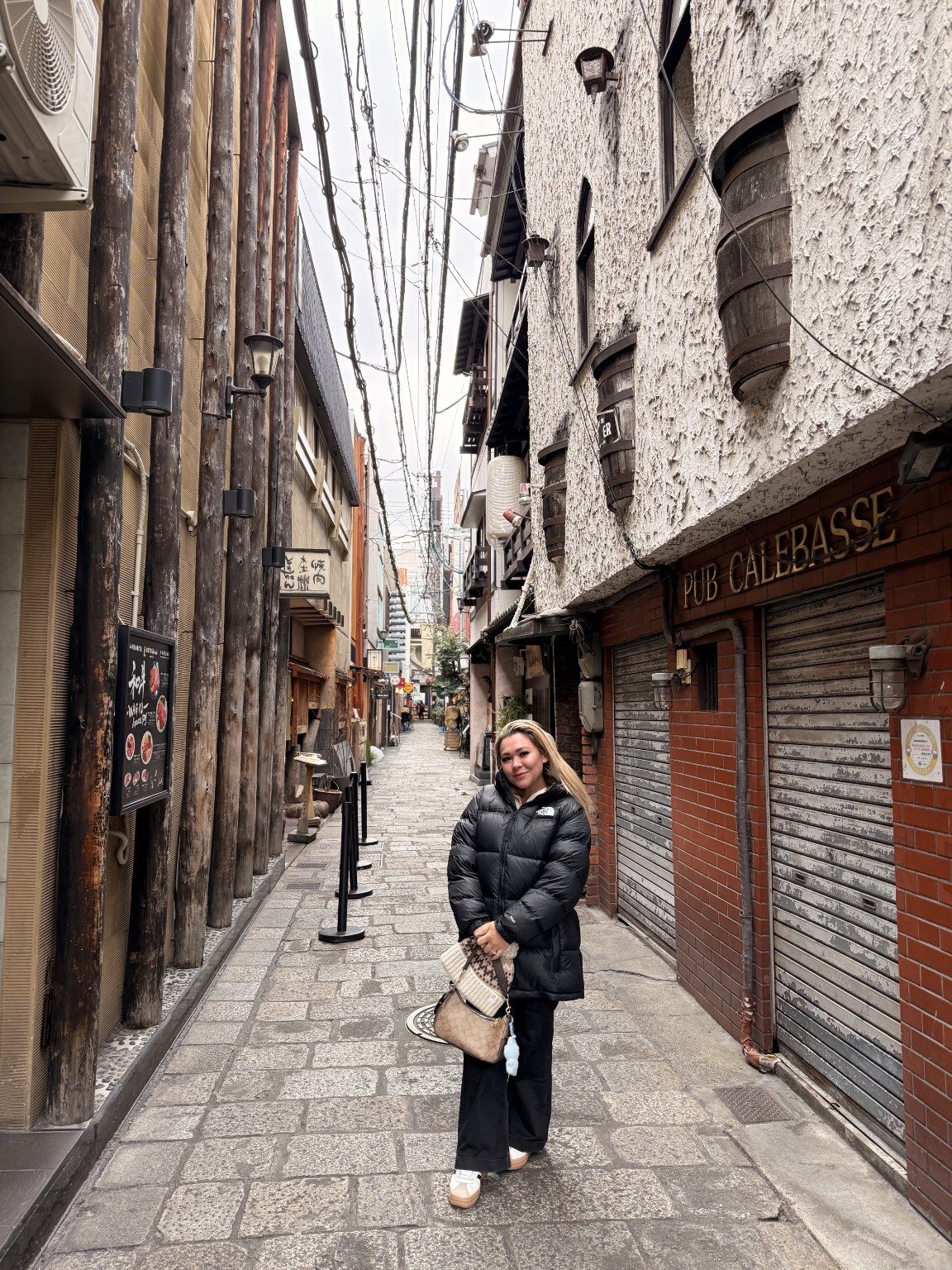
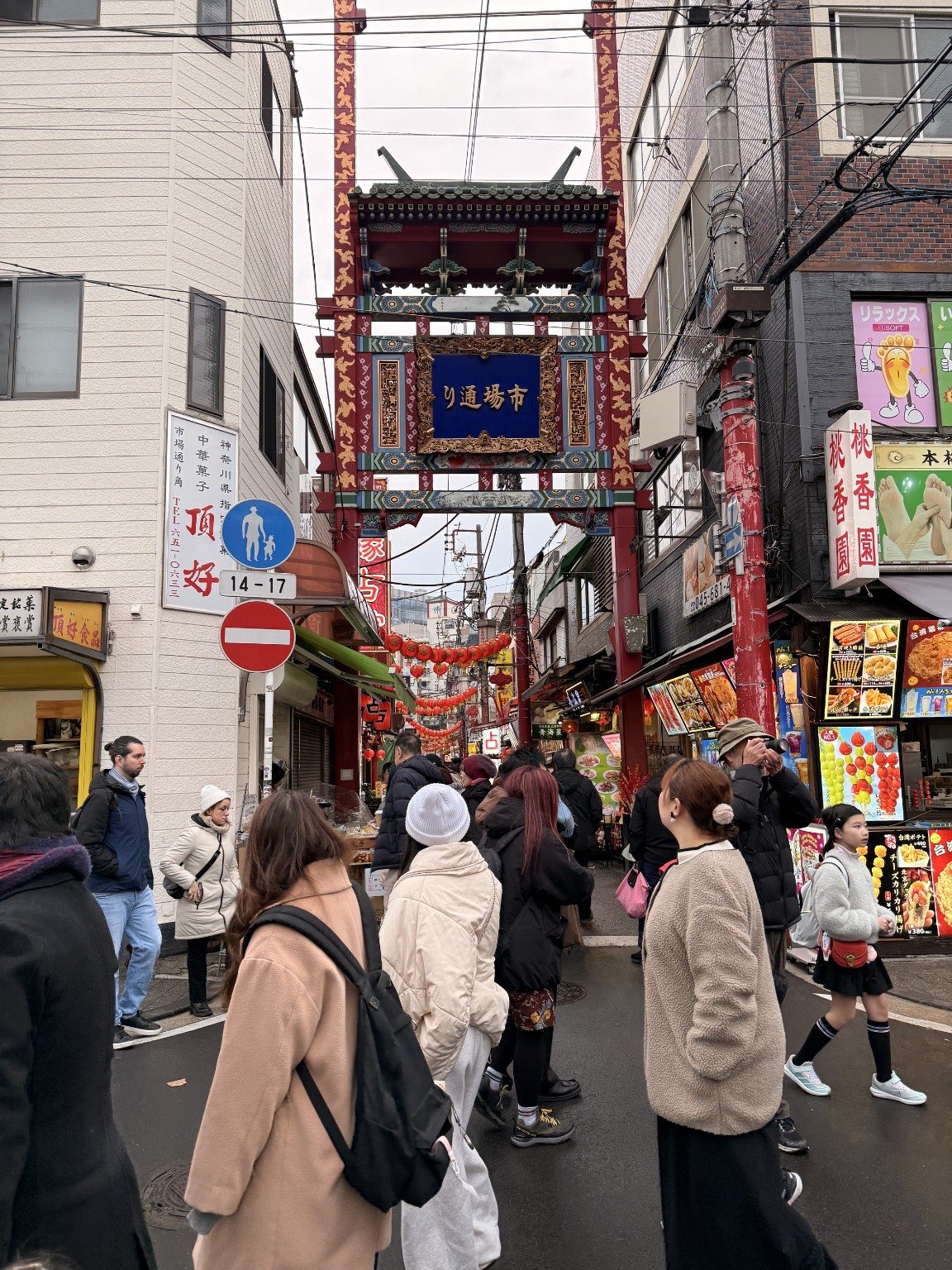
We also have a photograph from Yokohama Chinatown. It makes a useful separate part of a Yokohama day if you want to keep exploring after the museum. Leave time to get there, and choose whether you actually want another meal or just a look around. There is no need to schedule two full lunches because both appear in a guide.
Getting there from your Tokyo base
The address is 2-3-4 Shinko, Naka-ku, Yokohama. Plan the rail journey to the Minato Mirai area from your accommodation. Shin-Yokohama, where the other ramen museum is, is not the station name to choose simply because you recognise it from the Shinkansen.
Use the museum's directions page for the final walking route and the station that suits your train. We would treat this as a Tokyo-area day trip and keep the evening flexible, especially with a child.
Allow roughly half a day around the museum as a starting plan, with more time for a booked workshop or longer queues. That is our allowance, not an official tour duration. The activity ticket, travel time and the family's interest should decide the actual shape of the day.
Read our Japan journal or plan two weeks around Osaka and Tokyo.