We used a house in Canmore as our base for about six months in the Canadian Rockies. That gave us a way to explore without constantly moving accommodation, which suited us much better once we were travelling with our daughter. We could have a proper outing, or make a short trip away when a place needed more time.
This is the two-day plan we'd use for another visit to Moraine Lake, Lake Louise and the resort lift. It draws on the experiences we actually had, including the Parks Canada shuttle, a roughly C$60 lunch at the Fairmont and the chairlift ride towards the bistro.
The regular lake shuttles and summer lift have finished for 2026. Use this as a summer or early-autumn plan, then check the operating dates for the year you're visiting. We secured our bookings on 6 October and came away wanting to organise that part much earlier next time.
Before the two days
We'd start planning the key tickets around four months ahead, then book when the announced release allowed. Having a preferred date wouldn't be enough on its own; we'd want a confirmed lake-shuttle reservation before treating the rest of the day as settled.
The main pieces would be lake transport, national-park admission where required and the resort's separate summer sightseeing ticket. Our booking guide has the steps and a worked cost example. Keeping the practical detail in one place would leave us freer to think about which pace suited the family.
We'd also decide what we wanted from lunch. Buying sandwiches and coffee at the Fairmont came to about C$60 on our visit. We'd either allow for a similar food stop or pack more food and use that money elsewhere. Knowing that before leaving would be easier than making every decision when we were already hungry.
Day one: give the lakes the day
Leave the base with time to spare
We'd work backwards from the booked departure window, allowing time to get ready, reach Park and Ride and check in. We wouldn't build the morning around an unverified drive time or assume arriving in the Lake Louise area meant we were already where the shuttle departed.
Our aim would be to begin the outing without turning the reservation into a race. Travelling with our daughter had taught us that every extra stop in a plan needed to justify itself. On this day, the lakes would be the main event.
Start with the lake on your reservation
We'd happily see Moraine Lake first, but the first journey would follow the destination actually booked. If that were Lake Louise, we'd reverse this part of the plan. There was no benefit in writing a beautiful itinerary that didn't match the ticket we could use.
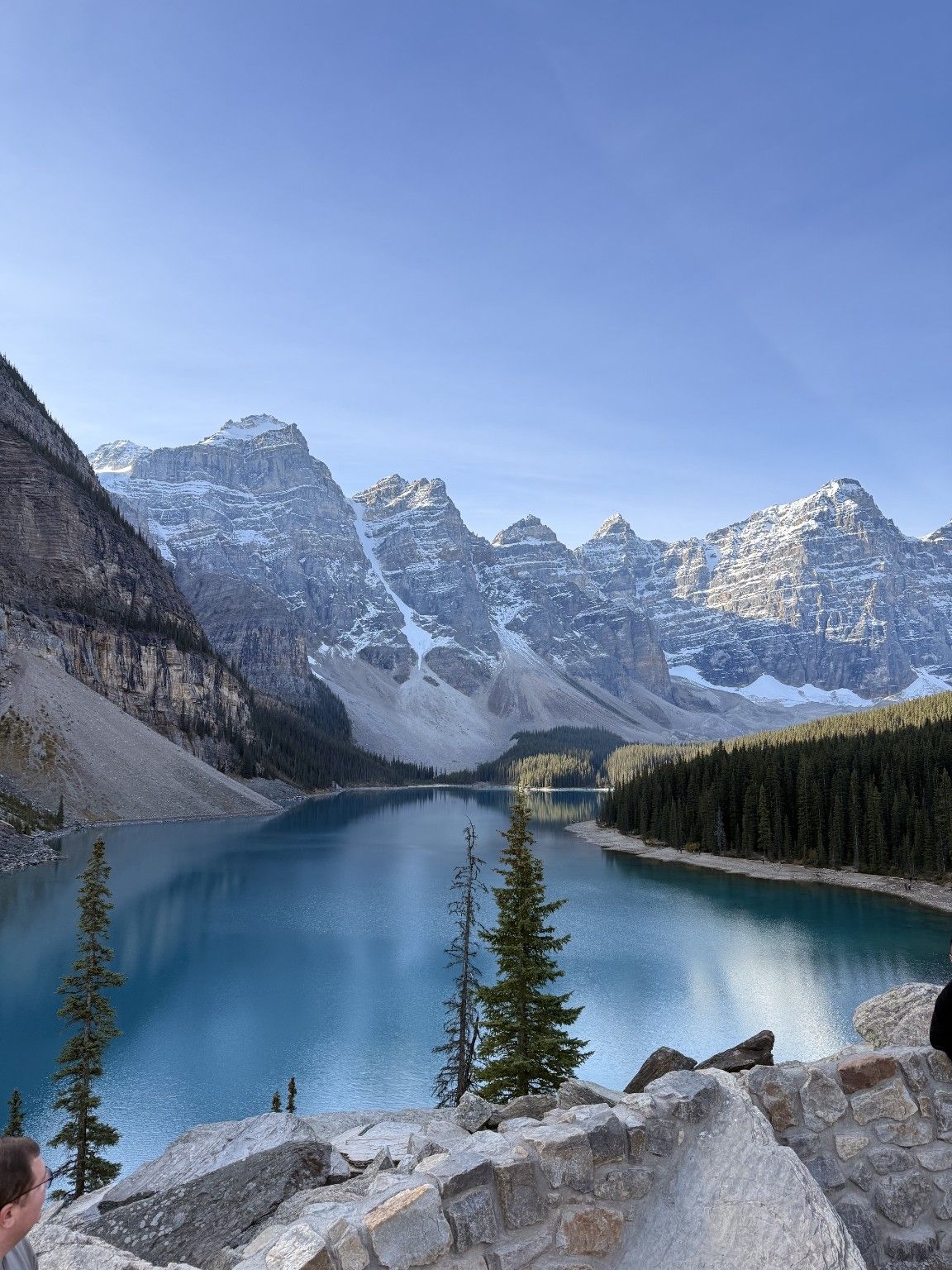
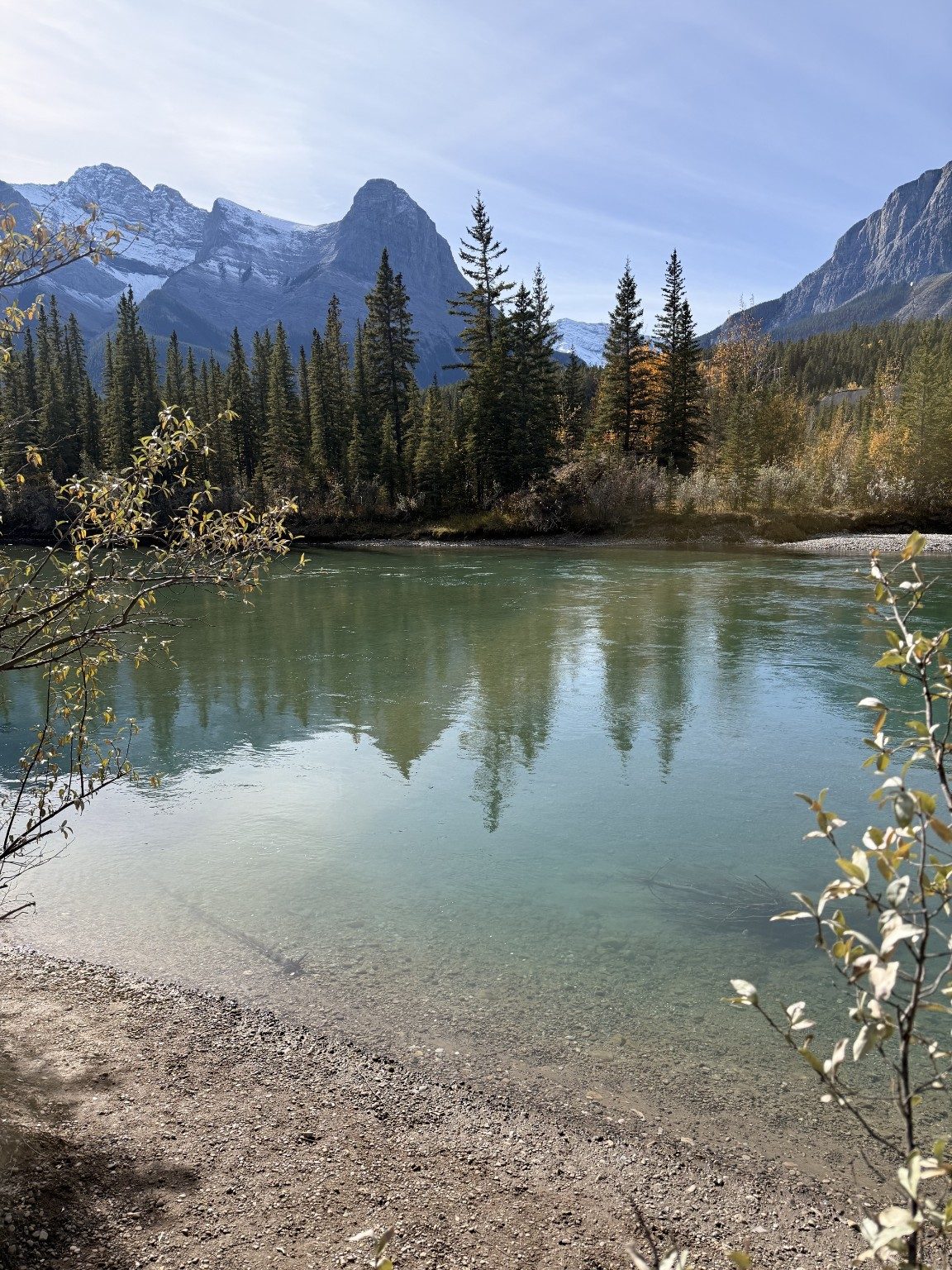
At Moraine Lake, we'd leave room to appreciate the outlook and the shore without promising a particular hike. Our photographs captured both the broad mountain view and the clear shallows. They were different ways of looking at the same place, and enough to make the stop feel worthwhile.
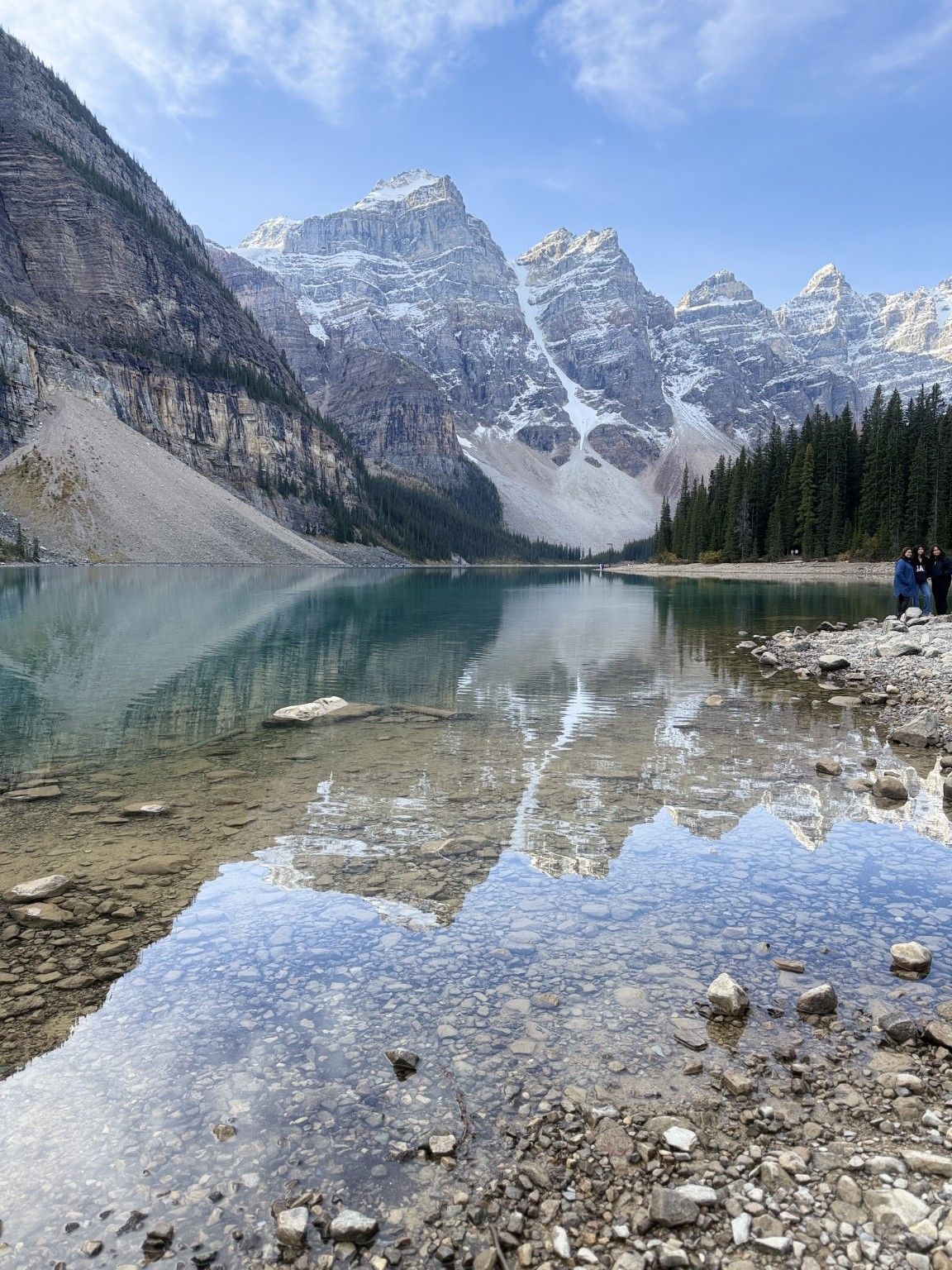
The higher viewpoint involved uneven ground and steps. We'd judge it against the conditions and what was suitable for our daughter that day. Being there mattered more to us than insisting on a particular photograph if the route didn't suit.
Use the connector without crowding the middle of the day
We'd treat the transfer between lakes as part of the outing, with space for a wait and a break. A connector didn't mean instant movement from one view to the next. That was an especially useful distinction when deciding how much else to add to the schedule.
We'd keep the boarding pass and return information accessible, then take the next part of the day as it came. The benefit of pairing the lakes was being able to see both within the same transport arrangement. The cost was that some of the day belonged to transport rather than standing beside the water.
Lake Louise and a food decision
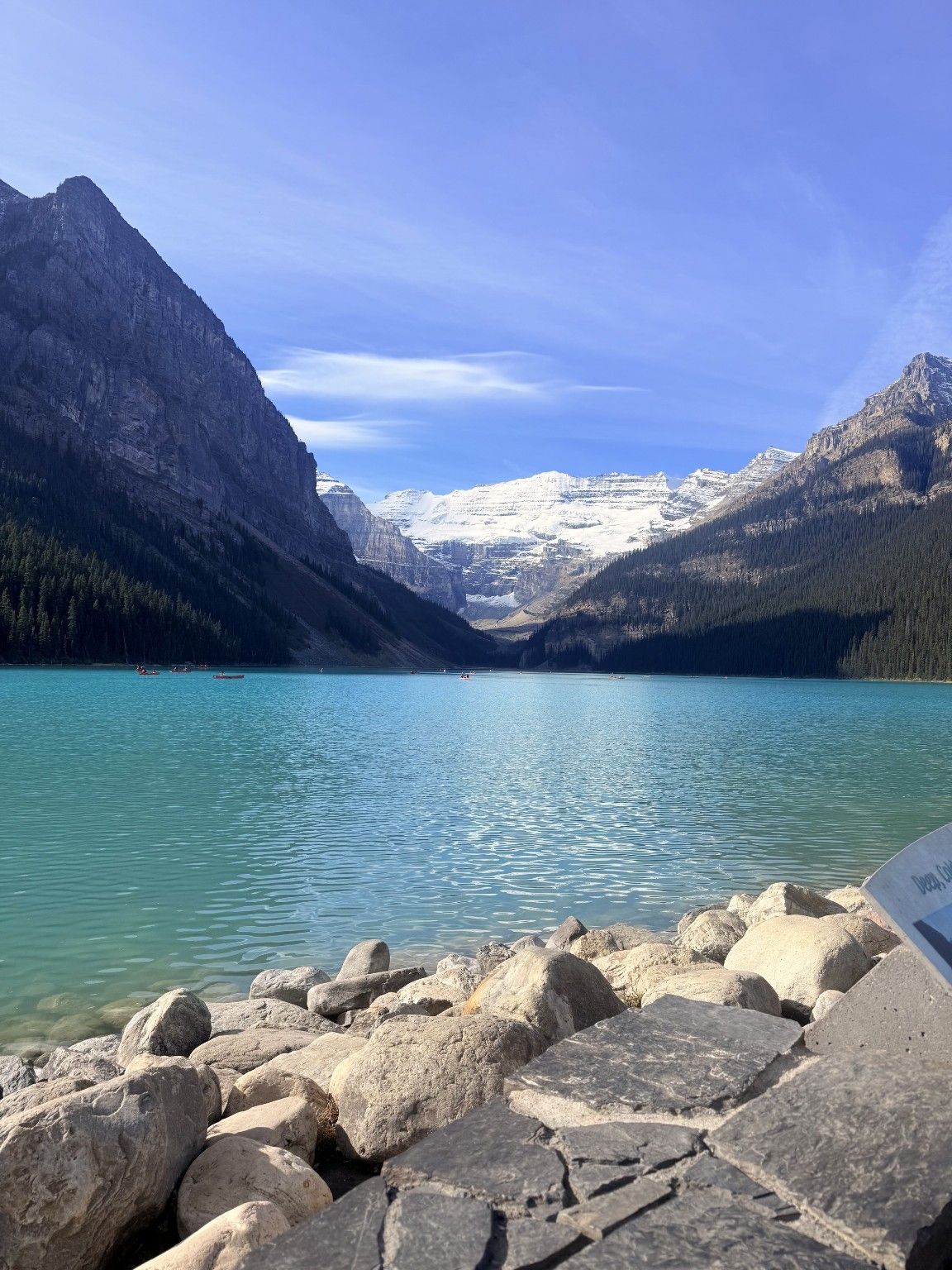
At Lake Louise, we'd leave time for the lakeshore and the long view towards the snow. The colour of the water had its own character after Moraine Lake. We didn't need to add a canoe hire or a long walk to make it feel like a worthwhile second stop.
This would be the place to use the food plan we'd made earlier. If we wanted the Fairmont stop again, we'd allow for the roughly C$60 we'd remembered spending on sandwiches and coffee, while recognising that the menu and prices could change. Otherwise, packed food could make the day's budget easier to manage.
We'd leave a sensible buffer for the return rather than use the final possible minutes at the water. Getting everyone back comfortably was part of a successful family day too. With a Canmore base, we didn't need the evening to become another sightseeing programme.
Day two: the resort lift, with room to enjoy it
Check the actual operation before setting out
The summer sightseeing lift was a separate booking from the lake shuttle. We'd check the day's operating information and the weather, then choose the ride arrangement appropriate for our child. We'd also check whether any food stop we wanted was open during our visit.
The family memory behind this part of the plan was riding up towards the bistro together. I enjoyed seeing wildlife during the ride, and the flora and views were amazing. That was why I would give the lift its own place in the itinerary. It deserved more than a rushed addition after a full day at the lakes.
Let the ride be part of the experience
We'd leave time to look around as we travelled up. On our ride, the wildlife was a highlight, but we wouldn't turn that into an expectation for a future visit. The landscape and the changing viewpoint were already reasons to go.
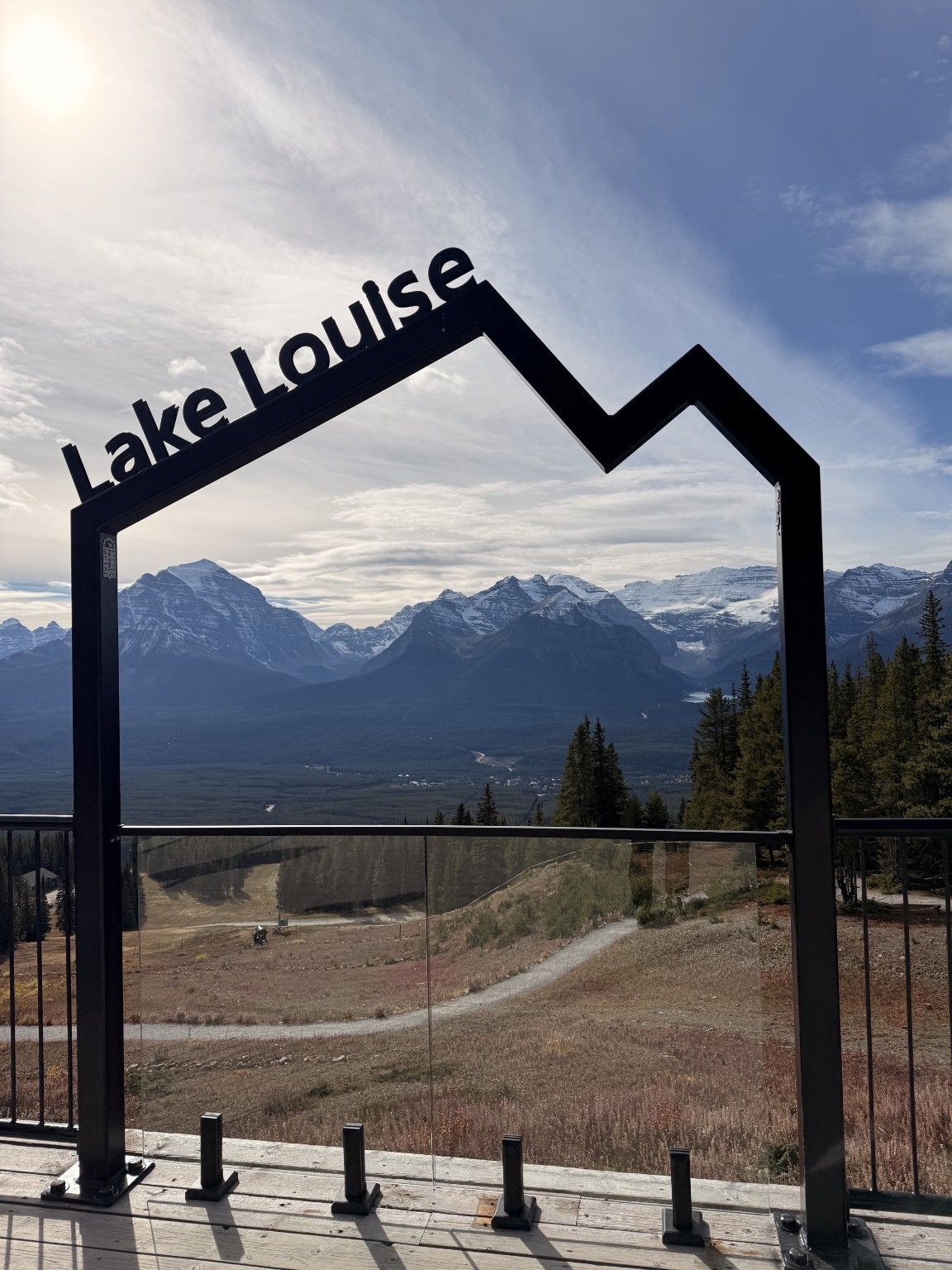
At the top, we'd allow time for the view rather than immediately check what else we could fit in. Our photos showed the autumn colour close by and the mountains stretching across the valley. It was another perspective on the same region we'd been exploring from Canmore.
Keep the afternoon flexible
We'd avoid attaching a second big excursion to the lift just because the map made it look possible. Some days with a child needed less than we'd planned, and we'd learned to accept that. A day could feel full without every hour having a separate destination.
If we wanted a bistro meal, we'd look at the current menu and add a separate food allowance. Our C$60 memory belonged to the Fairmont lunch, not a meal at the resort. Keeping those two stops distinct would stop us giving another family a misleading budget.
What we'd allow for the two days
The worked example in our guide came to about C$295.30 for two adults and a child aged 6–12, using the checked window rates, two paid park days and one C$60 lunch. That's a planning example using a stated age category, rather than a total from our receipts. It excludes accommodation, the journey to the area and other meals.
The useful next step would be to replace those assumptions with your own. An existing park pass could reduce the total. A different child ticket category or an eligible resort discount would change it too. We'd keep a margin around food rather than arrive expecting the attraction tickets to be the only spending.
If you only had one day
We'd prioritise the two lakes if those were the main reason for coming. The lift added something we really enjoyed, but combining everything could make the day much tighter. The shuttle window, the transfers and the resort's operating hours would all need to line up.
That would be a choice about priorities. We used to travel with two backpacks and move constantly to see as much as possible. With our daughter, we'd become happier choosing fewer things and giving them enough time. This two-day version was how we'd bring that lesson into a return visit.
For the memories behind it, read our lakes-and-chairlift journal. For reservations and prices, keep the booking guide alongside the plan. We'd want another family to arrive with the important details sorted and enough room left to enjoy being there.