These are suggested return-visit plans built around Namba in Osaka and Asakusa in Tokyo. They are accommodation areas, not a claim about the exact hotels we used. I would choose a room on a quieter street within a manageable walk of the station, then check the route with luggage before booking. Staying close to the busiest signs is less useful if nobody sleeps well.
Namba puts the southern Osaka districts within reach. Asakusa gives the Tokyo stay a neighbourhood to return to, with Sensoji and the river nearby. Neither base makes every attraction a short journey. The point is to choose one place in each city and accept the travel time when heading elsewhere, rather than move hotels to chase every stop.
For twenty-eight days, I would use twelve nights in Namba and fifteen in Asakusa, with the flight home on day twenty-eight. It is a suggested route for another visit, not a day-by-day reconstruction of our own four-week trip. The extra time should make the pace easier. I would not use every spare morning to add a distant destination.
Week 1: Make Osaka familiar
Day 1: Arrive in the Osaka area and settle in Namba. Keep the evening close to the room.
Day 2: Explore Namba and Dotonbori, leaving room for food and a slower walk.
Day 3: Visit the castle park if the weather suits. Decide separately whether to pay for the museum.
Day 4: Keep a local day around the base. Use it for the ordinary jobs that make the rest of the stay easier.
Day 5: Take a Nara day trip, with the rail route and walking planned in advance.
Day 6: Return to a favourite Osaka area. You do not need to make every day a new destination.
Day 7: Choose a family activity or leave the day open. A theme park belongs on its own day if it is a priority, with its own booking and cost.
Week 2: Finish Kansai, then change bases
Day 8: Choose one Kyoto area for a day trip. Resist turning a single day into a tour of the entire city.
Day 9: Stay around Namba and take a slower morning. Shinsaibashi is an option if you want to browse shops.
Day 10: Pick another Osaka outing, perhaps around Umeda, after checking the journey from the base. Keep it as one main area.
Day 11: Leave this day free for weather changes or returning to somewhere you enjoyed. More time should give you choices.
Day 12: Keep the last Osaka day simple and prepare the bags. I would avoid a late night before the transfer.
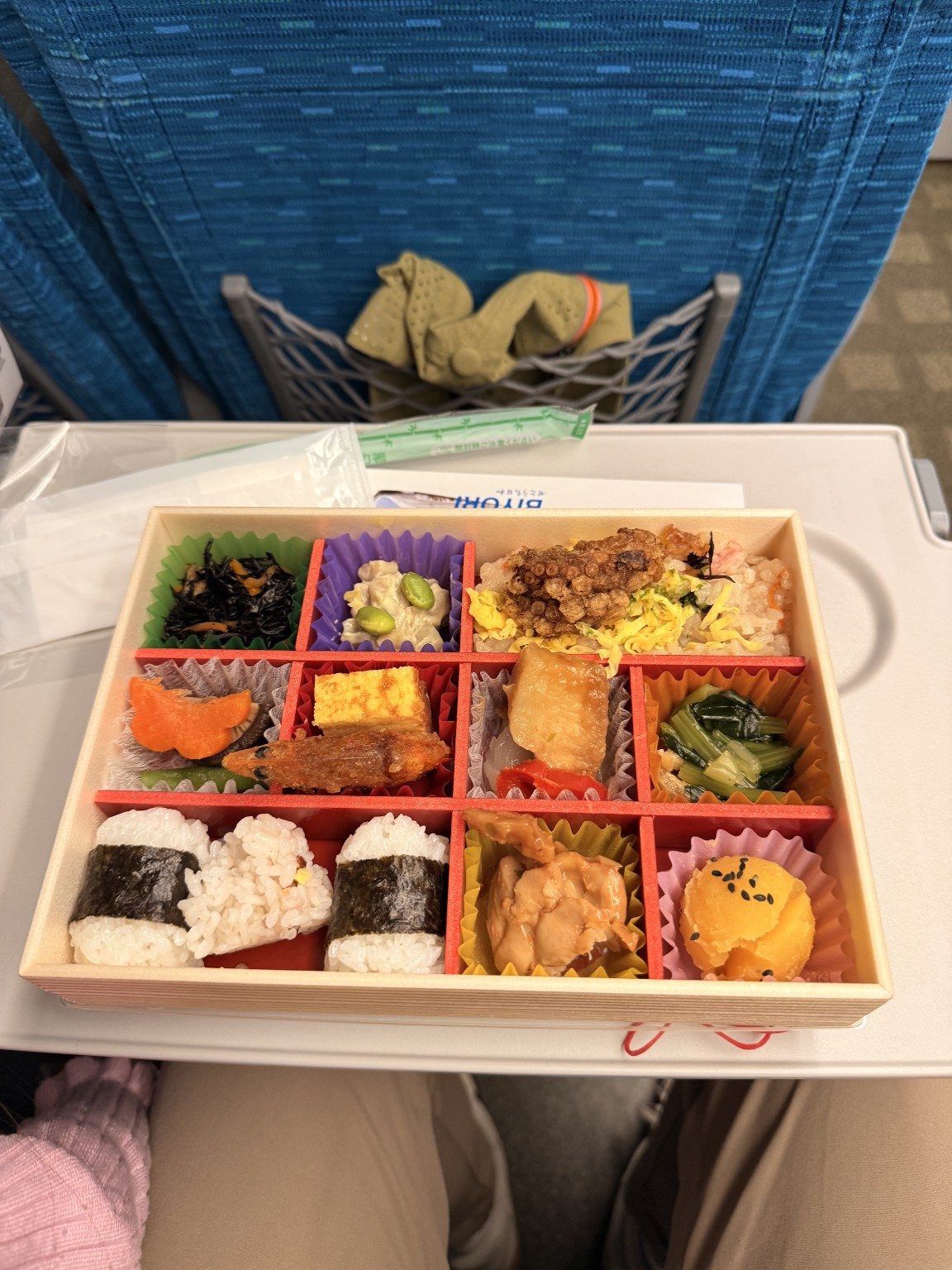
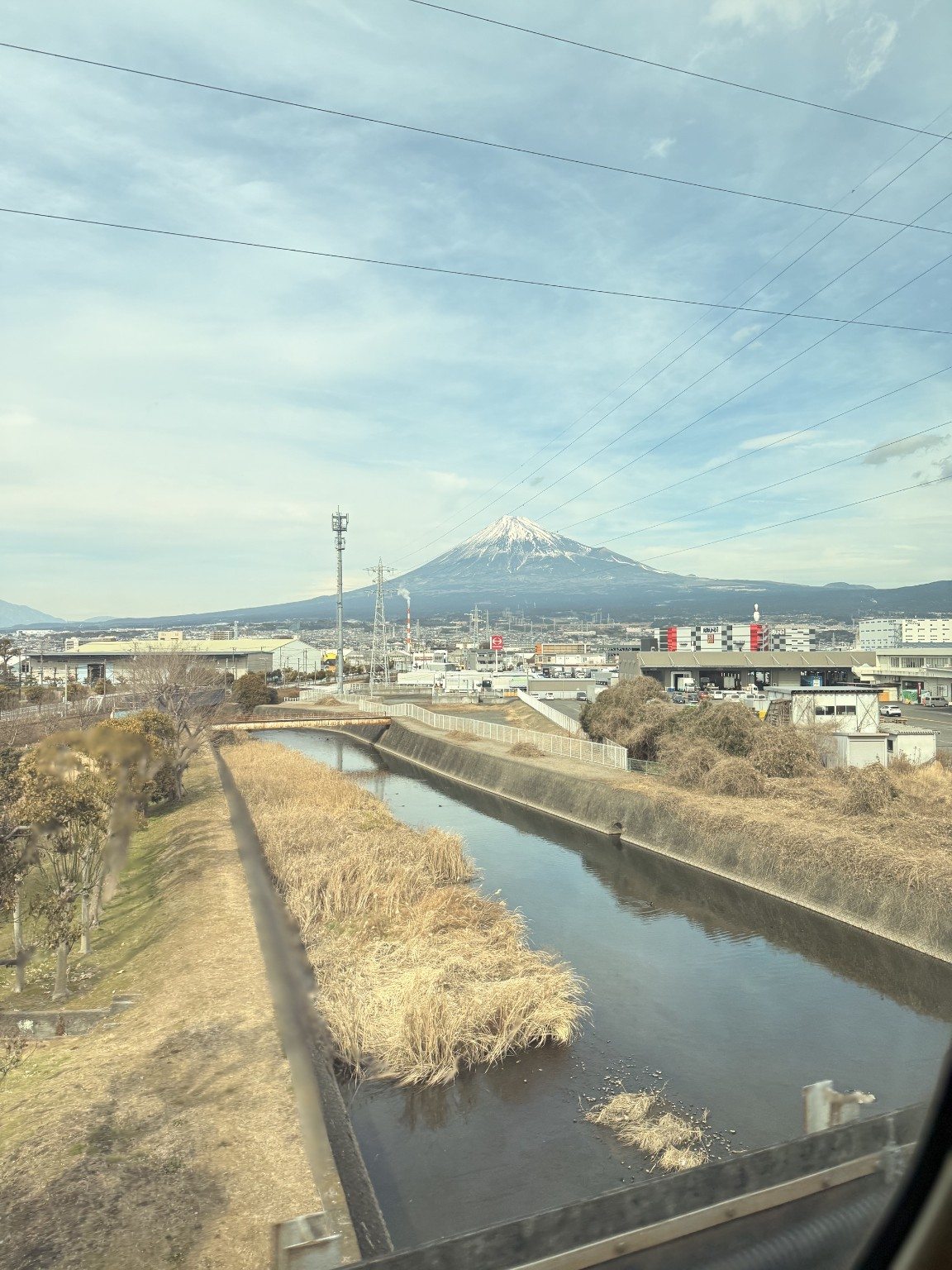
Day 13: Take the Shinkansen from Shin-Osaka to the Tokyo area, then continue to Asakusa. Choose the Fuji-facing window if available and buy lunch before boarding.
Day 14: Explore Asakusa locally. Sensoji and the surrounding streets are enough for a first full day at the new base.
Week 3: Tokyo with a Yokohama outing
Day 15: Choose Ueno, with one museum if it suits the family and is open.
Day 16: Keep a lighter day around the base. Kappabashi or a short riverside walk can fit without filling every hour.
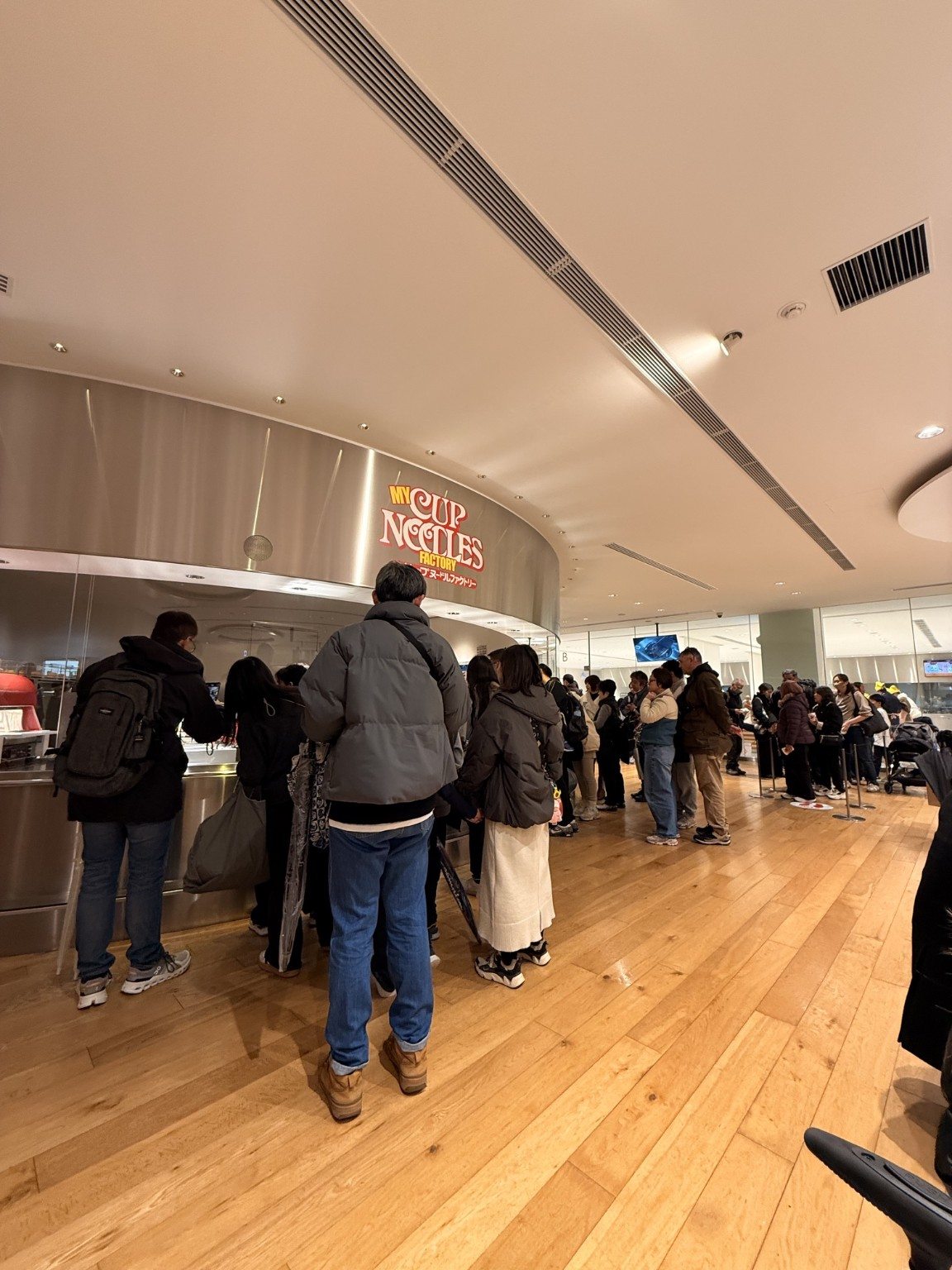
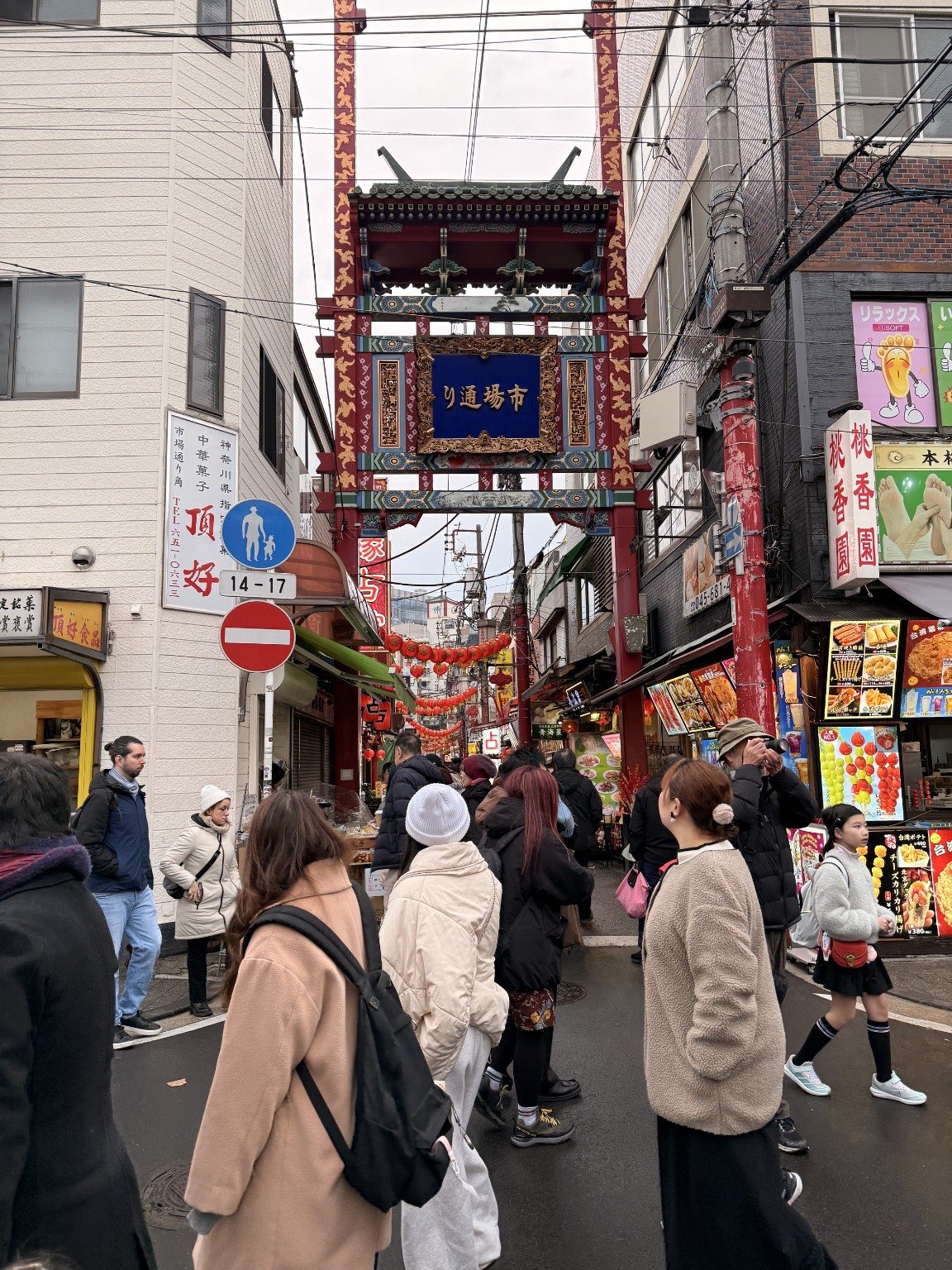
Day 17: Visit the Cup Noodles Museum in Yokohama on a confirmed operating day. Build the rest of the day around the booked activity, with Chinatown as an option afterwards.
Day 18: Stay closer to Asakusa. This is useful space after the longer outing and can move around the museum's closure day.
Day 19: Choose a western Tokyo district such as Shibuya. Book any specific attraction independently rather than assuming entry is included in the day plan.
Day 20: Revisit a favourite area or leave the day unstructured. A long stay gives you time to follow what you actually liked once you arrived.
Day 21: Consider Kamakura as an optional day trip. Research the rail route and choose a manageable part of the area. Staying in Tokyo is an equally reasonable choice if everyone needs less travel.
Week 4: Keep room for the family
Day 22: Have a quiet day at the base. Laundry and a meal nearby are enough of a plan.
Day 23: Choose another Tokyo district around your interests, rather than a generic list of attractions. Limit the cross-city travel.
Day 24: Keep a spare day for weather or a changed booking. If nothing needs moving, spend it locally.
Day 25: Make one more outing the main plan. A second Yokohama day could work if there was more you wanted to see, or use another Tokyo area instead.
Day 26: Return to somewhere you enjoyed. I would rather have a good repeat day than a rushed new stop chosen only to fill the calendar.
Day 27: Keep the final full day flexible and pack. Avoid putting the single most important activity on the last possible day.
Day 28: Depart, with the airport connection and actual flight time setting the schedule.
Why I would keep just two bases
With a child, the practical effort of moving accommodation matters. This plan leaves room for day trips without requiring a new check-in each time. It also means you can choose a place with facilities that are useful over a longer stay. Check laundry and room space as carefully as the station distance.
A month can still feel exhausting if every day starts with a deadline. The quieter days here are deliberate. Move them around, keep the bookings that matter and let the rest of the stay respond to how everyone feels.
The transfer and the money
Use Shin-Osaka, not Osaka Station, for the Tokaido Shinkansen. Book seats together and include the local connection from Namba. At the Tokyo end, choose Tokyo or Shinagawa based on the onward route. Asakusa is a further local journey, so leave room for that before expecting to be checked in.
For a starting allowance, use ¥15,000–16,000 per adult for one Ordinary reserved-seat intercity journey, then obtain the actual fare. That is a rounded budget, not a quoted ticket price. A child needing a reserved seat may need a child ticket; check the category rather than assume the adult fare covers the family. Food, accommodation and local transport are additional.
I would not automatically buy the national Japan Rail Pass for this route. Compare the individual journeys first. Two city bases and one intercity transfer rarely justify a national pass simply because the holiday lasts a week or longer. Our Shinkansen guide covers booking, luggage and the mountain-facing seats.
For the museum day, two adult admissions and three custom cups currently total ¥2,500 when the child qualifies for free museum entry. That example excludes food and other activities. Check the exact activity booking and the date calendar in our Yokohama guide.
Keep the practical bookings ahead of the rest
Reserve the important activity first, then move the flexible days around it. Cup Noodles Museum normally closes on Tuesdays, with holiday exceptions. Do not fix a Tuesday museum day from this sequence without checking. Any paid observation deck, special exhibition or theme park should have its own opening and ticket check.
These plans assume arriving in the Osaka area and leaving from the Tokyo area. If your flights require returning to Osaka, add the second train journey and the time it takes. I would not silently squeeze that return into an already full departure day. International flights and accommodation prices depend on your actual dates, so they are not hidden inside a made-up total here.
Read our four-week Japan journal for the photographs behind this collection.