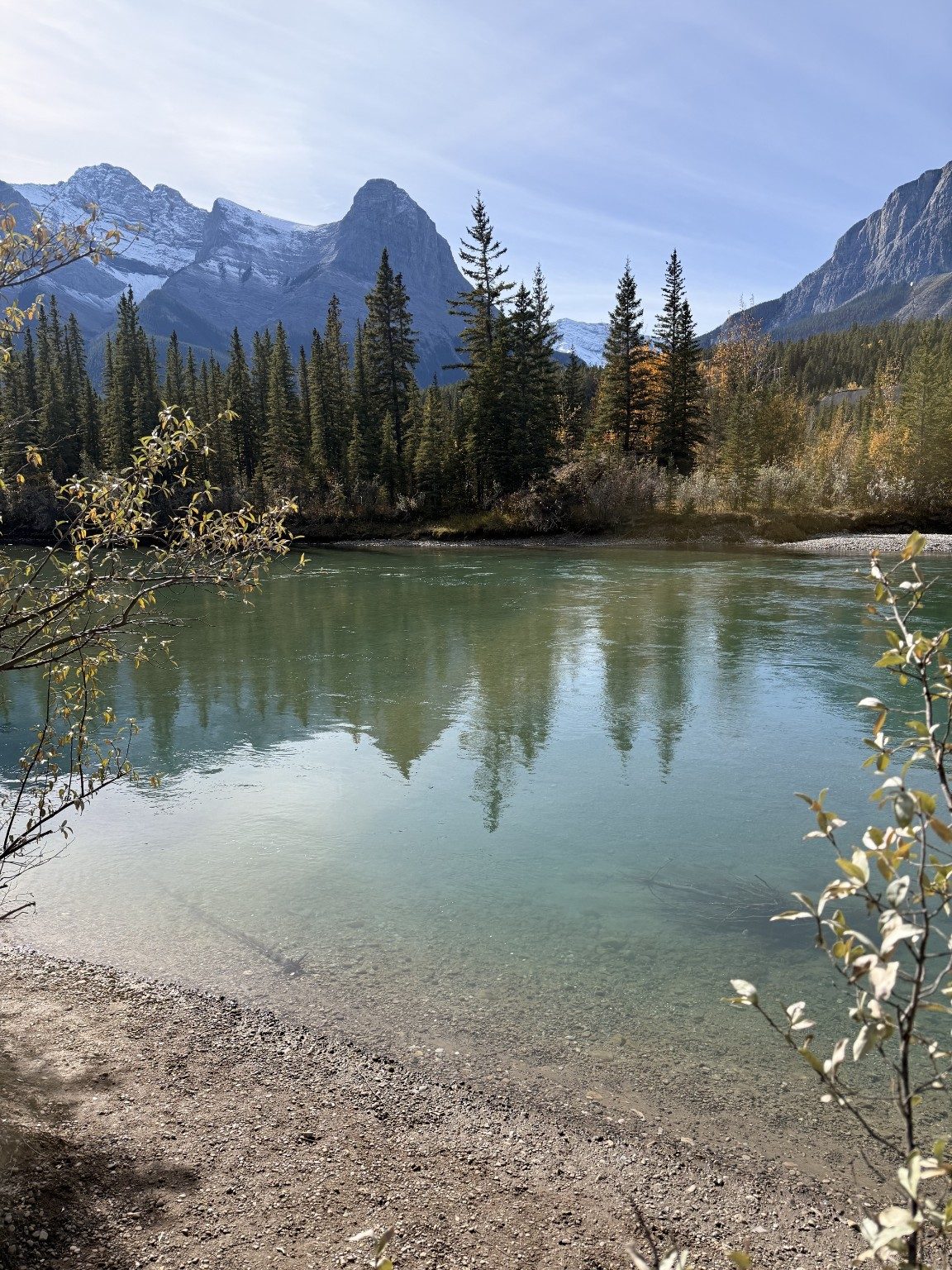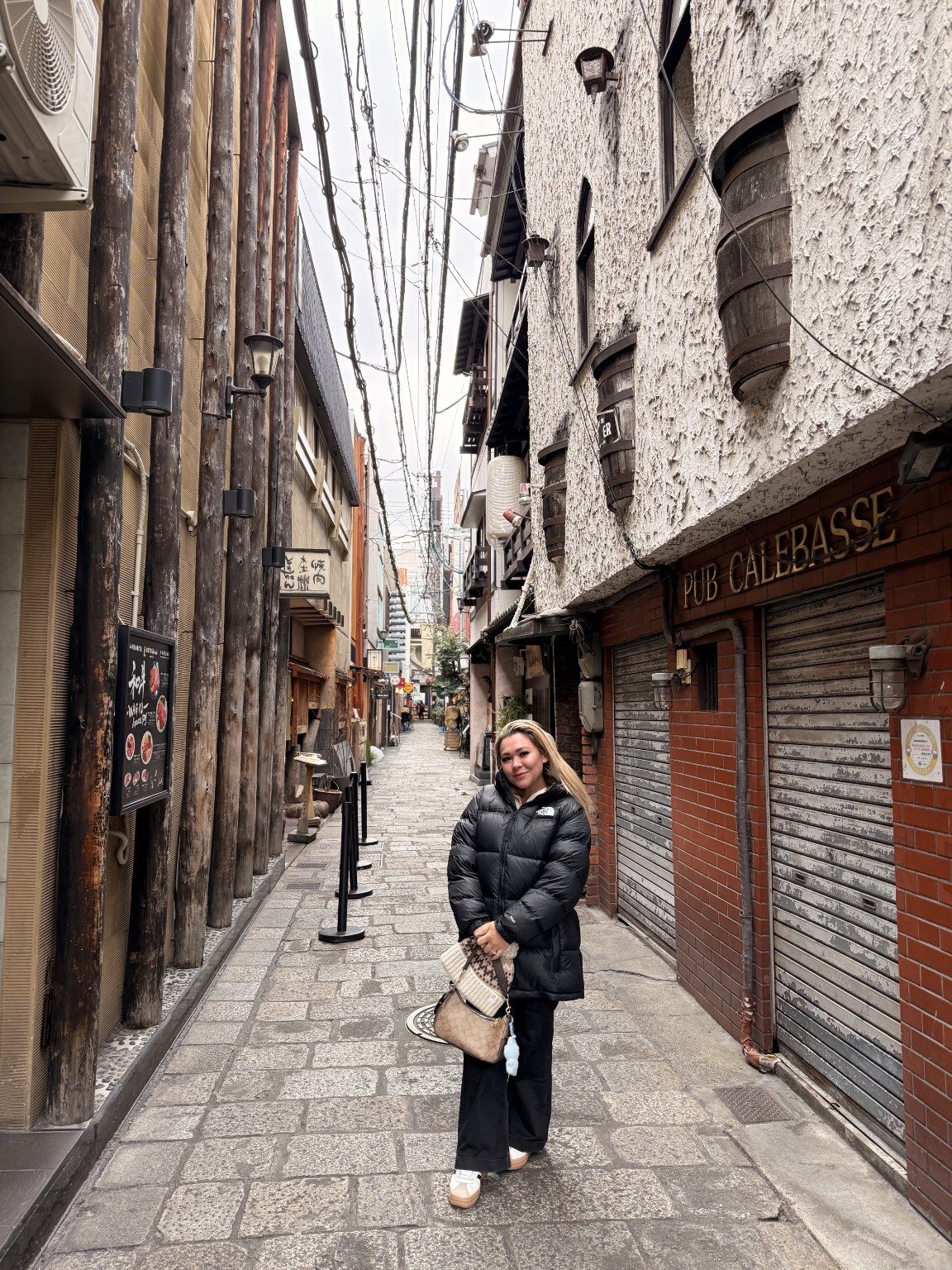
These are suggested return-visit plans built around Namba in Osaka and Asakusa in Tokyo. They are accommodation areas, not a claim about the exact hotels we used. I would choose a room on a quieter street within a manageable walk of the station, then check the route with luggage before booking. Staying close to the busiest signs is less useful if nobody sleeps well.
Namba puts the southern Osaka districts within reach. Asakusa gives the Tokyo stay a neighbourhood to return to, with Sensoji and the river nearby. Neither base makes every attraction a short journey. The point is to choose one place in each city and accept the travel time when heading elsewhere, rather than move hotels to chase every stop.
A week is enough for a taste of both areas, but I would keep the wish list short. This version gives Osaka three nights and Tokyo three nights, with departure on day seven. International arrival and departure times may shorten those days considerably.
Days 1–3: Namba as the Osaka base
Day 1: Arrive and get to the accommodation. Have a simple meal nearby and leave Dotonbori as an optional short walk if everyone still has energy. A late flight should mean dropping the walk, not moving bedtime later to keep up with the plan.
Day 2: Spend the morning around Namba and the Dotonbori area. Take time over food and let the walk be the activity. In the afternoon, look around Shinsaibashi if it appeals, or return to the room for a break. I would not attach a distant attraction to the evening just because it is technically reachable.
Day 3: Choose one wider Osaka outing. The castle park is a possibility, with entry to the castle museum a separate decision and cost. Return to Namba rather than add another district at the far end of the day. If a theme park is your priority, it should replace this day, with the ticket arranged separately.
Day 4: Osaka to Tokyo
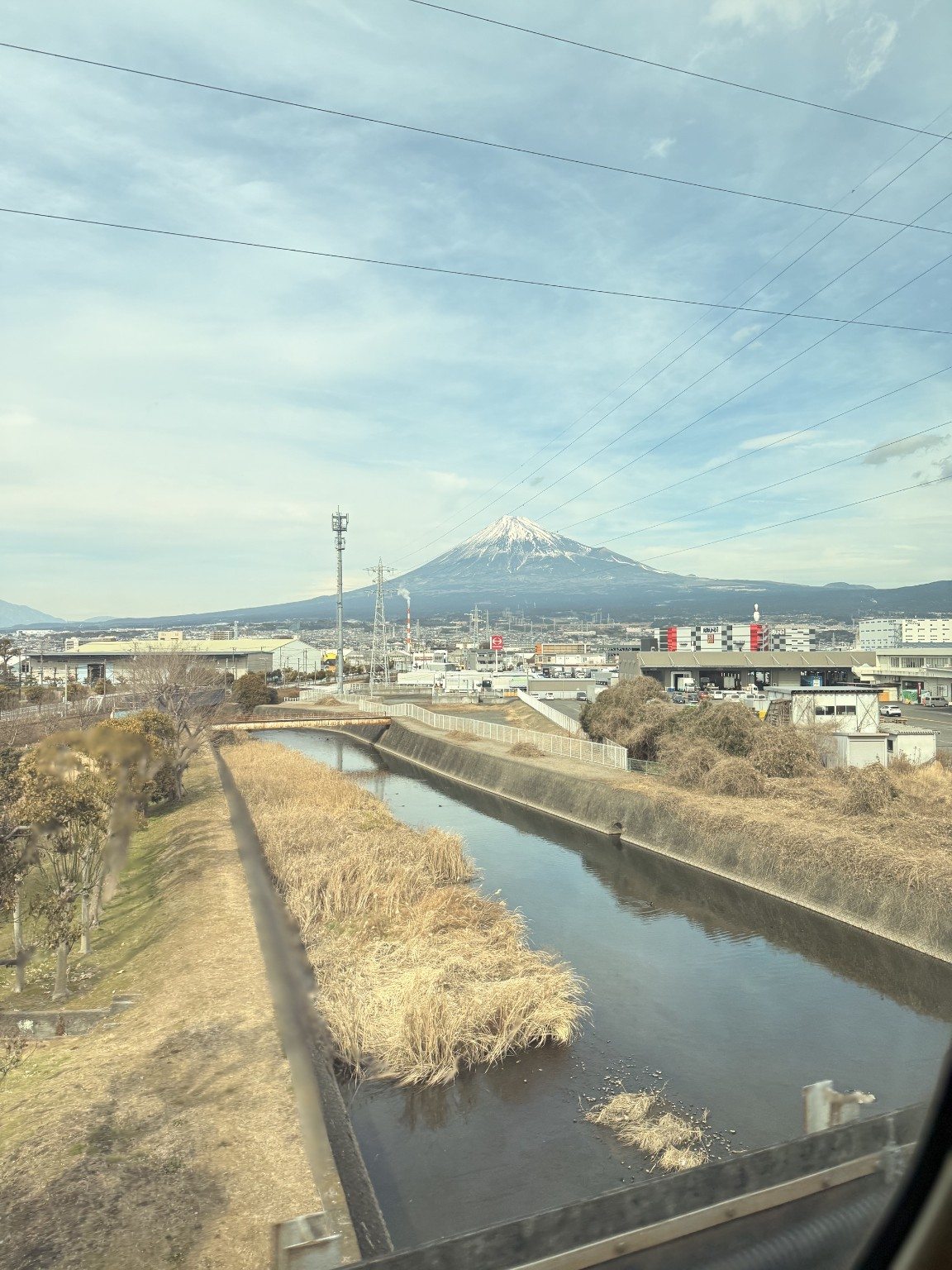
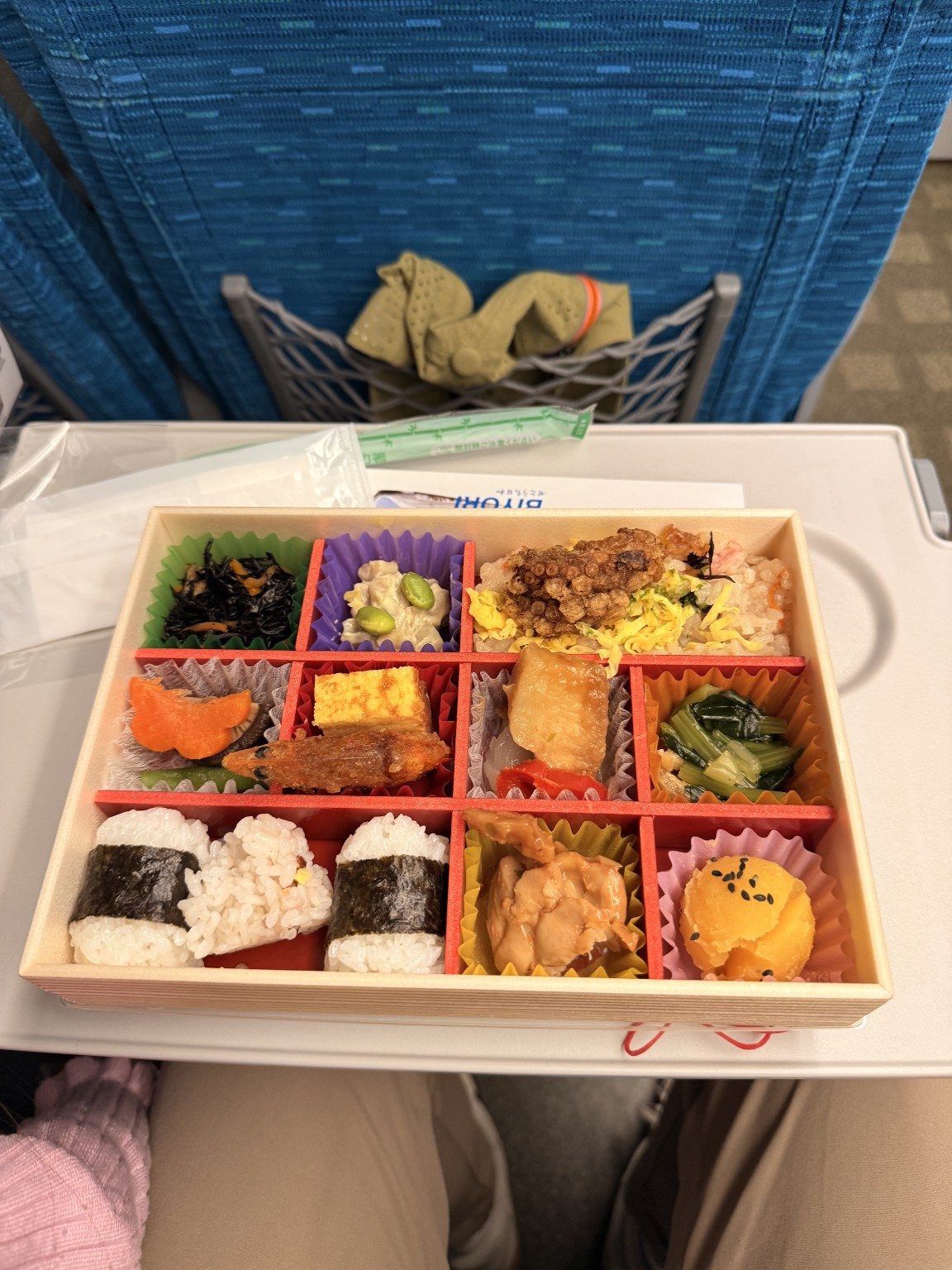
Transfer to Shin-Osaka, take the reserved train and travel onward to Asakusa. Leave time to choose a bento before boarding. E is the usual Ordinary window on the Fuji side when heading towards Tokyo, which is the left side in the direction of travel. Cloud still decides the view.
Keep the Tokyo evening local. A walk near the base is enough after moving the family and the bags. There is no benefit to racing across the city on the same day just to fit in one more sight.
Days 5–7: Make a choice in Tokyo
Day 5: Explore Sensoji and the surrounding Asakusa streets, then choose a river walk if the weather suits. Kappabashi is a nearby option for someone interested in kitchenware. It should stay optional rather than become another long shopping session everyone has to enjoy.
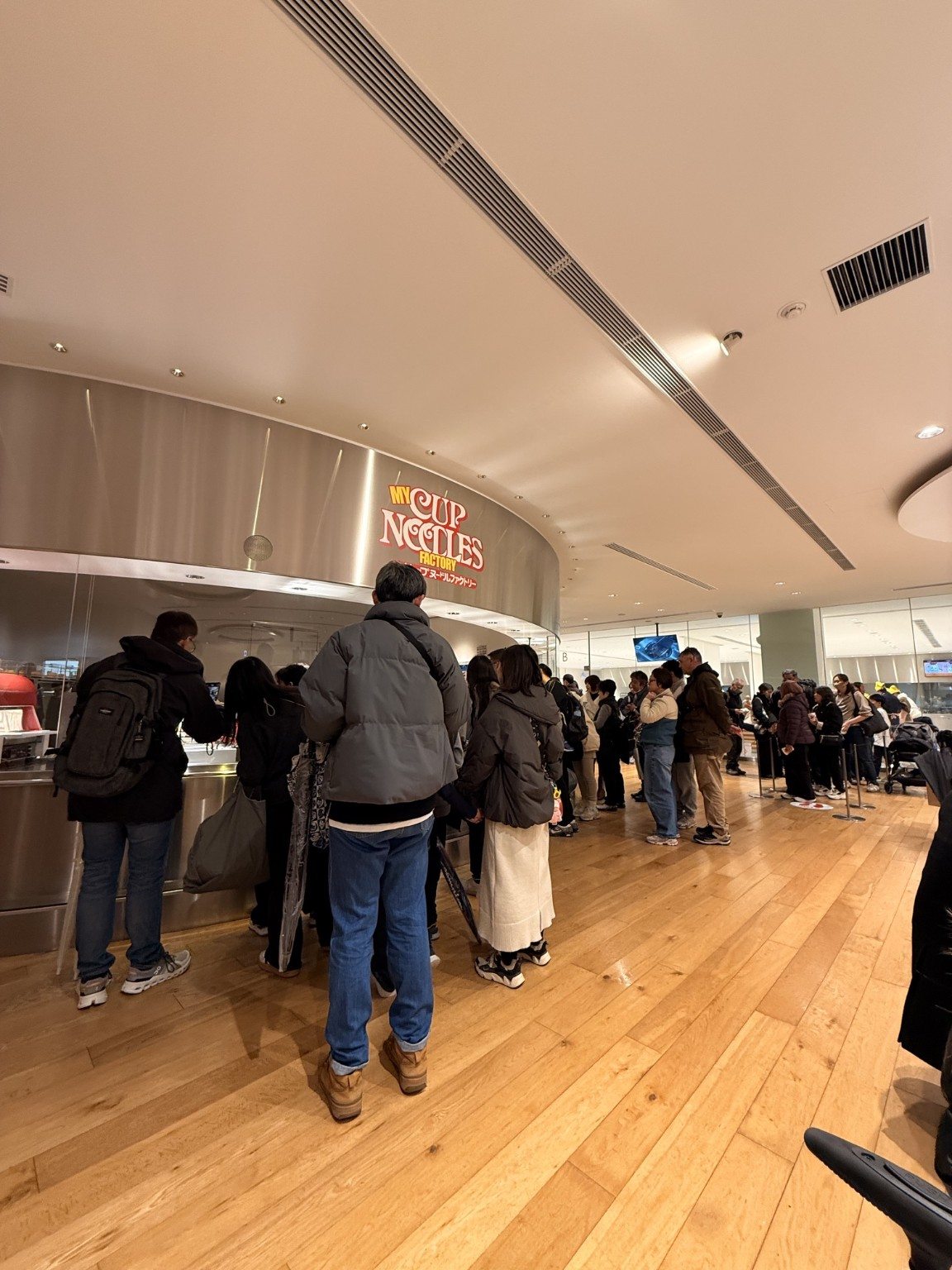
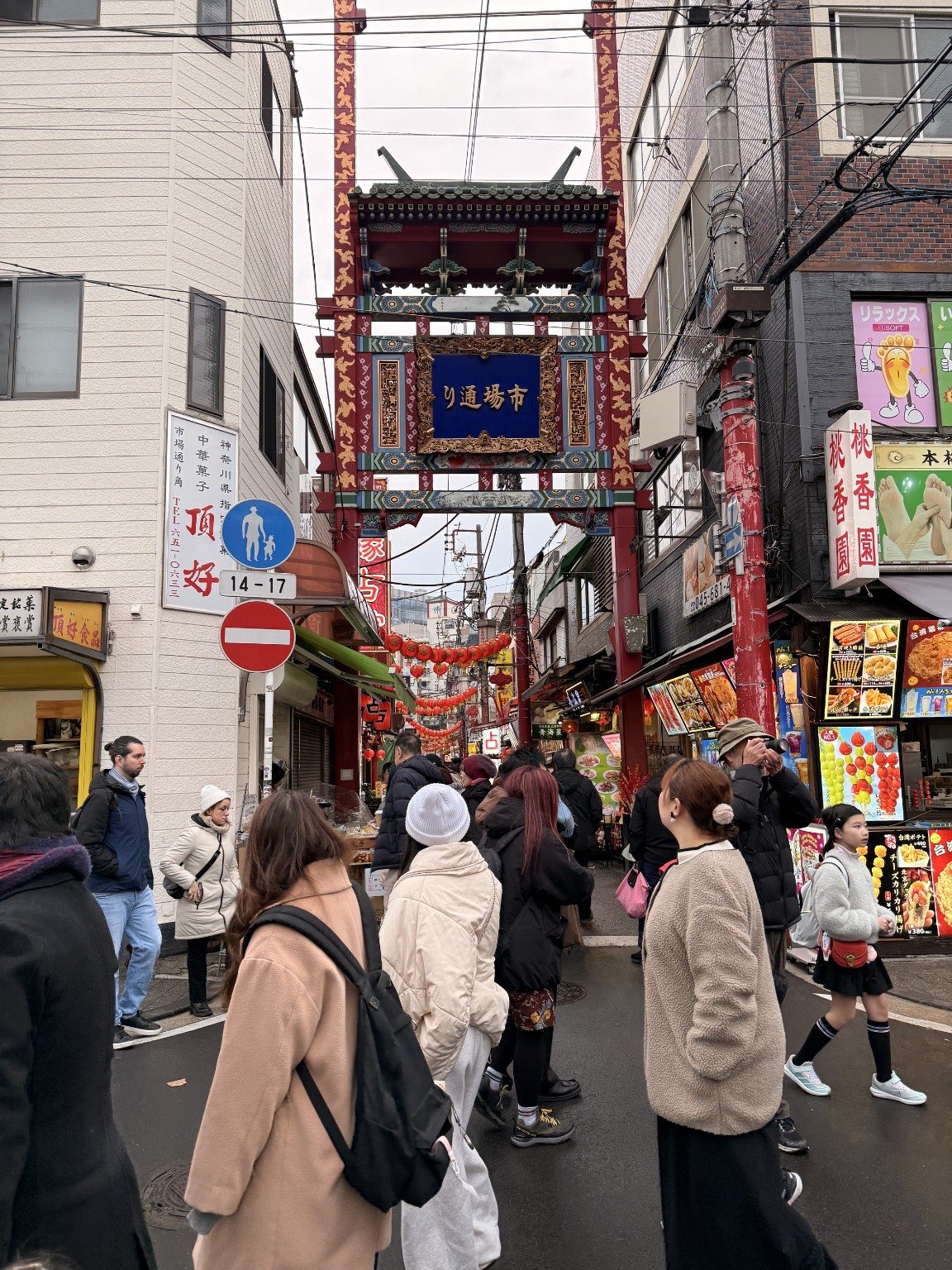
Day 6: Choose either a wider Tokyo day or Yokohama. For Tokyo, I would select one area such as Ueno or Shibuya, depending on the family's interests. For Yokohama, make the Cup Noodles Museum the anchor and leave Chinatown as a later option. A seven-day holiday does not comfortably give every Tokyo district a full day as well as the museum.
Day 7: Depart, allowing time for the airport journey from Asakusa. If the flight is late, a short local stop is a bonus. Do not count on the whole day for sightseeing before you know the flight and transfer details.
The transfer and the money
Use Shin-Osaka, not Osaka Station, for the Tokaido Shinkansen. Book seats together and include the local connection from Namba. At the Tokyo end, choose Tokyo or Shinagawa based on the onward route. Asakusa is a further local journey, so leave room for that before expecting to be checked in.
For a starting allowance, use ¥15,000–16,000 per adult for one Ordinary reserved-seat intercity journey, then obtain the actual fare. That is a rounded budget, not a quoted ticket price. A child needing a reserved seat may need a child ticket; check the category rather than assume the adult fare covers the family. Food, accommodation and local transport are additional.
I would not automatically buy the national Japan Rail Pass for this route. Compare the individual journeys first. Two city bases and one intercity transfer rarely justify a national pass simply because the holiday lasts a week or longer. Our Shinkansen guide covers booking, luggage and the mountain-facing seats.
For the museum day, two adult admissions and three custom cups currently total ¥2,500 when the child qualifies for free museum entry. That example excludes food and other activities. Check the exact activity booking and the date calendar in our Yokohama guide.
Keep the practical bookings ahead of the rest
Reserve the important activity first, then move the flexible days around it. Cup Noodles Museum normally closes on Tuesdays, with holiday exceptions. Do not fix a Tuesday museum day from this sequence without checking. Any paid observation deck, special exhibition or theme park should have its own opening and ticket check.
These plans assume arriving in the Osaka area and leaving from the Tokyo area. If your flights require returning to Osaka, add the second train journey and the time it takes. I would not silently squeeze that return into an already full departure day. International flights and accommodation prices depend on your actual dates, so they are not hidden inside a made-up total here.
Read our four-week Japan journal for the photographs behind this collection.